🏆 Discover the best places to work in social care. Meet the 2026 winners of the Florence Best Places to Work Awards
🏆 Discover the best places to work in social care.
Meet the 2026 winners of the Florence Best Places to Work Awards
🏆 Discover the best places to work in social care. Meet the 2026 winners of the Florence Best Places to Work Awards
4.4 rating on Trustpilot
Incident management
Our experienced in-house team is dedicated to keeping care providers and professionals safe.

2,000+
Health & care organisations trust Florence
100k+
Health & care professionals use Florence every day
95%
Customers reporting a
positive experience
2,000+
Customers report a positive experience
100k+
Health & care professionals use Florence every day
95%
Customers reporting a
positive experience
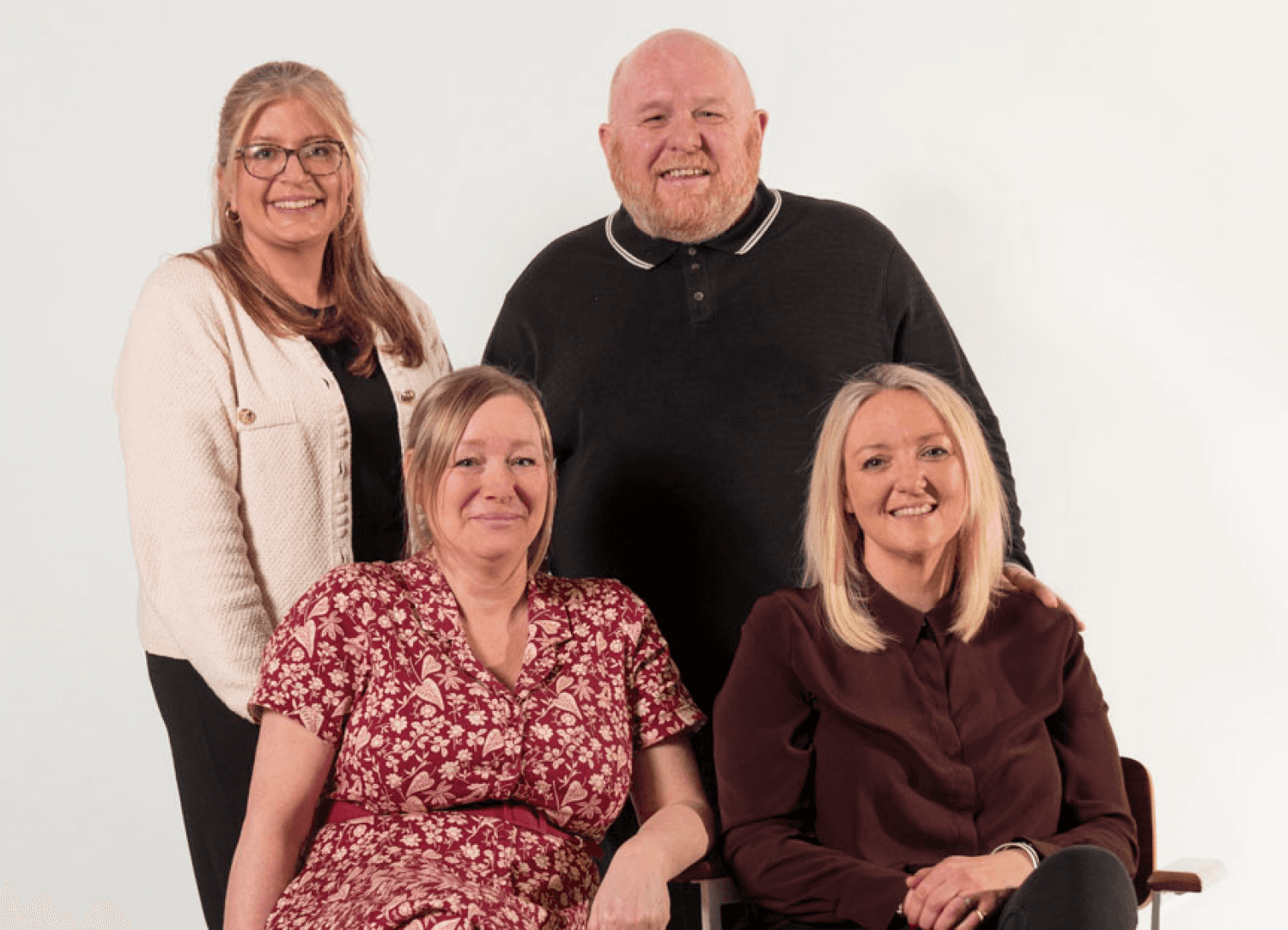
Governance, done right
Our clinical governance team investigate all incidents reported to Florence thoroughly and with sensitivity. We’ll listen to you, look after you and your service users, and work to find the best outcome for all parties involved.
We are advocates for both the organisations we work with and our care professionals, and our clear incident management process always treats you with empathy and fairness.
Governance, done right
Our clinical governance team investigate all incidents reported to Florence thoroughly and with sensitivity. We’ll listen to you, look after you and your service users, and work to find the best outcome for all parties involved.
We are advocates for both the organisations we work with and our care professionals, and our clear incident management process always treats you with empathy and fairness.
Governance, done right
Our clinical governance team investigate all incidents reported to Florence thoroughly and with sensitivity. We’ll listen to you, look after you and your service users, and work to find the best outcome for all parties involved.
We are advocates for both the organisations we work with and our care professionals, and our clear incident management process always treats you with empathy and fairness.
What incidents should you report?

Always report
We aim to resolve any reported incident within four weeks. We review every incident and update our processes with what we learn, keeping our workforce safety up-to-date and ever-evolving.
Incidents and adverse events. These cause harm to residents, service users, their family members, and staff.
Errors or mistakes. Misjudgements or wrong decisions–for example, giving the wrong dose of a medicine.
Near misses. When mistakes happen but don’t cause harm to residents, service users, family members or staff, they’re defined as “near misses”.
What happens next?
If an incident involving a Florence professional happens at your hospital or care home, we’ll work with you to resolve it, from initial report to resolution.

Your initial report
You can report an incident to us 24 hours a day via incidents@florence.co.uk.
We'll log details about the adverse event on our Incident Management System (IMS).
We'll reach out
Next, you’ll hear from a member of our governance team, who will work alongside you as the investigation progresses.
We'll support you
If you need to refer the event to an external agency (Safeguarding, Adult Support and Protection, NMC or police, for example), we’ll support you throughout.
We'll take action
Depending on the outcome of the investigation, we might issue a warning letter, provide additional training, or take another action.
A resolution
We aim to resolve incidents within four weeks, although events involving external agencies may take longer to conclude.
Your initial report
You can report an incident to us 24 hours a day via incidents@florence.co.uk.
We'll log details about the adverse event on our Incident Management System (IMS).
We'll reach out
Next, you’ll hear from a member of our governance team, who will work alongside you as the investigation progresses.
We'll support you
If you need to refer the event to an external agency (Safeguarding, Adult Support and Protection, NMC or police, for example), we’ll support you throughout.
We'll take action
Depending on the outcome of the investigation, we might issue a warning letter, provide additional training, or take another action.
A resolution
We aim to resolve incidents within four weeks, although events involving external agencies may take longer to conclude.
Your initial report
You can report an incident to us 24 hours a day via incidents@florence.co.uk.
We'll log details about the adverse event on our Incident Management System (IMS).
We'll reach out
Next, you’ll hear from a member of our governance team, who will work alongside you as the investigation progresses.
We'll support you
If you need to refer the event to an external agency (Safeguarding, Adult Support and Protection, NMC or police, for example), we’ll support you throughout.
We'll take action
Depending on the outcome of the investigation, we might issue a warning letter, provide additional training, or take another action.
A resolution
We aim to resolve incidents within four weeks, although events involving external agencies may take longer to conclude.

Helpful documents
Using the right documents to gather statements and reflective accounts can make investigations simpler and more efficient. Here are four templates you can use if an incident happens at your hospital or care home.
Helpful documents
Using the right documents to gather statements and reflective accounts can make investigations simpler and more efficient. Here are four templates you can use if an incident happens at your hospital or care home.
Helpful documents
Using the right documents to gather statements and reflective accounts can make investigations simpler and more efficient. Here are four templates you can use if an incident happens at your hospital or care home.
florence team
Meet the team

Dr. Charles Armitage
Co-founder and CEO

Dan Blake
Co-founder and CCO
Lisa Dobson
Sales Director
Emily James
Senior National Business Development Manager

Freddie Smallman
Business Development Manager
FAQ
Got questions?We’ve got answers
How can I get a witness statement from a Florence care professional?
Please don't approach Florence care professionals directly for statements. Instead, let us work with you to investigate so that we're both fully aware of the context.
We'll contact the care professional involved, share concerns and request a statement on your behalf. If you have any specific questions that you'd like us to ask, please pass them on. We're also happy to arrange follow-up questions after a statement has been shared with you.
If you want to speak to someone about an ongoing investigation, please contact incidents@florence.co.uk.
How do I report an incident?
The best way to report an incident to Florence is by email, so that both parties have a record of what was reported and when. Send a brief outline of what happened to incidents@florence.co.uk. If you need advice about whether the issue is reportable, please speak to your account manager.
How long does it take to investigate an incident?
We aim to investigate within four weeks of incidents being reported. Sometimes investigations can take longer, especially if third parties like police or safeguarding teams are involved.
How should I write a statement?
You should follow the statement guidance, making sure that you give a full account – including relevant background information. Keep it factual: don't give your opinion about what others may or may not have done. Instead, stick to what you saw or heard personally. Always use professional language rather than slang or offensive language (unless you are directly quoting someone).
If you need any help writing your statement, please get in touch and we'll support you.
I thought there were going to be two nurses on duty, but when I arrived for my shift, I was made responsible for 50+ residents by myself. Is this an incident?
Make sure you read the healthcare organisation description before you commit to working a shift. If you find out the healthcare organisation description isn't accurate when you arrive for your shift, that could be because resident needs or occupancy have changed.
If you're not comfortable taking extra responsibility, don't accept the keys and call Florence immediately. If you feel overwhelmed partway through the shift, raise your concerns with both Florence and the service manager to get support. Under those circumstances, you will need to complete the full shift.
In both cases, you should create an incident report to help stop the situation happening again.
I wasn't given a login for the care documentation or medication administration systems at the healthcare organisation. Is this an incident?
You are responsible for documenting the care that you give, and you need a login to do so. You may be given a generic login – for example, “Agency Nurse” instead of a name. If so, write your name at the end of each entry to maintain a clear audit trail of the care you've given.
You should never use someone else’s login or ask someone else to complete care documentation for you. If you're asked to do that, speak to the person in charge and politely explain why it's important for you to have your own login.
If you can't access the system with your own login, please raise this as an incident by telling both the manager at the care home or hospital and Florence.
I'm concerned about a healthcare organisation I've worked in. What should I do?
Always report your concerns, even if you're unsure about specifics. You can report to incidents@florence.co.uk through Florence’s Freedom to Speak Up Officer. Florence also has a Raising Concerns and Whistleblowing policy.
If I don't want to work with a Florence care professional again, can I block them from my home?
Yes, you can do this by visiting the care professional's profile via your account and selecting the ‘block’ option, then providing a reason for the block.
We'll respect your decision to block the care professional without question, but it helps improve quality of care if you also send an email to incidents@florence.co.uk to tell us why you don't want to work with the care professional anymore. Given the right training and support, low-level concerns that are not incidents can be “nipped in the bud” early.
If the incident involves a nurse, who's responsible for reporting to the NMC?
Unless there's a serious risk, our approach to NMC referrals is to wait until the investigation is complete, to make sure there are no alternatives to reporting.
If possible, we prefer to help nurses mitigate risk to their practice by giving them opportunities to reflect and learn. We ask that clients tell us if they think an urgent referral is needed, and share their reasons with us before reporting.
What if I think the incident report contains malicious allegations about my practice?
If you think you've been maliciously accused, write a thorough statement about the allegations anyway. Keep it factual, rather than emotional. If you believe there's a reason someone might have made up an allegation about you, please include this in your statement and we'll investigate.
What should I do if a service asks me to attend an investigatory meeting?
While it's important to be helpful and engage with the investigation, you should immediately tell Florence’s incident support team by emailing incidents@florence.co.uk.
We'll support you by finding out what the allegation is. Then, we'll get copies of witness statements, MAR charts and other documents that might help you prepare for the meeting. Sometimes, we can help you write a really detailed statement, which might mean you no longer have to attend the meeting.
If applicable, tell your union about the investigation – especially if your practice is in question.
What should I do if I've been asked to write a statement during or after a shift?
While it's important to be helpful, engage in the investigation and provide a statement, you should immediately tell Florence’s incident support team by emailing incidents@florence.co.uk.
We'll support you by finding out what the allegation is. Then, we'll get copies of witness statements, MAR charts and other documents that might help you write the statement. We'll also review your statement before it's sent to the service to make sure it's a factual, thorough response to the allegation.
If applicable, tell your union about the investigation – especially if your practice is in question. They may offer a statement-checking service.
What should I do if I've been referred to SSSC/NISCC or NMC Fitness to Practice?
Don’t panic! Around three-quarters of NMC referrals are closed at the initial screening stage.
Tell us straight away and one of our governance nurses will support you and help identify any training needs, reflection and remediation.
Why do I need to write a reflective account if I've already written a statement?
If we ask you to write a reflective account, we've identified a gap in your knowledge and want you to do some extra training. We need to make sure you've learned from the incident and know what you'd do differently to stop something similar happening again.
If you're a registered nurse, we recommend using the NMC template for reflection. You can also use this template for revalidation. If you're a care assistant or support worker, click here to download a reflective account template.
Why do I need to write a statement about a “near miss” where no-one was harmed?
Investigating "near misses" is just as important as investigating adverse events. Learning from them could prevent a more serious incident – or a fatality. Near miss reports provide vital information about working conditions and processes, as well as highlighting areas that might need attention so they don't become a problem.
Why have we been asked to supply a MAR chart?
When care professionals are involved in a medication error or omission, it's important for them to review relevant documents so they can write a comprehensive statement. These might include topical MAR charts and entries from controlled drug registers.
If we ask you to supply this, please redact any identifiable details like service user names. It also helps if you can highlight the error on the MAR, especially if there are multiple entries.
Will I be told about the outcome of the investigation?
When we close an investigation, we email all people involved and tell them about the outcome, unless doing so breaches confidentiality. We'll normally contact the person who reported the incident and the witnesses that we spoke to during the investigation.
FAQ
Got questions?We’ve got answers
How can I get a witness statement from a Florence care professional?
Please don't approach Florence care professionals directly for statements. Instead, let us work with you to investigate so that we're both fully aware of the context.
We'll contact the care professional involved, share concerns and request a statement on your behalf. If you have any specific questions that you'd like us to ask, please pass them on. We're also happy to arrange follow-up questions after a statement has been shared with you.
If you want to speak to someone about an ongoing investigation, please contact incidents@florence.co.uk.
How do I report an incident?
The best way to report an incident to Florence is by email, so that both parties have a record of what was reported and when. Send a brief outline of what happened to incidents@florence.co.uk. If you need advice about whether the issue is reportable, please speak to your account manager.
How long does it take to investigate an incident?
We aim to investigate within four weeks of incidents being reported. Sometimes investigations can take longer, especially if third parties like police or safeguarding teams are involved.
How should I write a statement?
You should follow the statement guidance, making sure that you give a full account – including relevant background information. Keep it factual: don't give your opinion about what others may or may not have done. Instead, stick to what you saw or heard personally. Always use professional language rather than slang or offensive language (unless you are directly quoting someone).
If you need any help writing your statement, please get in touch and we'll support you.
I thought there were going to be two nurses on duty, but when I arrived for my shift, I was made responsible for 50+ residents by myself. Is this an incident?
Make sure you read the healthcare organisation description before you commit to working a shift. If you find out the healthcare organisation description isn't accurate when you arrive for your shift, that could be because resident needs or occupancy have changed.
If you're not comfortable taking extra responsibility, don't accept the keys and call Florence immediately. If you feel overwhelmed partway through the shift, raise your concerns with both Florence and the service manager to get support. Under those circumstances, you will need to complete the full shift.
In both cases, you should create an incident report to help stop the situation happening again.
I wasn't given a login for the care documentation or medication administration systems at the healthcare organisation. Is this an incident?
You are responsible for documenting the care that you give, and you need a login to do so. You may be given a generic login – for example, “Agency Nurse” instead of a name. If so, write your name at the end of each entry to maintain a clear audit trail of the care you've given.
You should never use someone else’s login or ask someone else to complete care documentation for you. If you're asked to do that, speak to the person in charge and politely explain why it's important for you to have your own login.
If you can't access the system with your own login, please raise this as an incident by telling both the manager at the care home or hospital and Florence.
I'm concerned about a healthcare organisation I've worked in. What should I do?
Always report your concerns, even if you're unsure about specifics. You can report to incidents@florence.co.uk through Florence’s Freedom to Speak Up Officer. Florence also has a Raising Concerns and Whistleblowing policy.
If I don't want to work with a Florence care professional again, can I block them from my home?
Yes, you can do this by visiting the care professional's profile via your account and selecting the ‘block’ option, then providing a reason for the block.
We'll respect your decision to block the care professional without question, but it helps improve quality of care if you also send an email to incidents@florence.co.uk to tell us why you don't want to work with the care professional anymore. Given the right training and support, low-level concerns that are not incidents can be “nipped in the bud” early.
If the incident involves a nurse, who's responsible for reporting to the NMC?
Unless there's a serious risk, our approach to NMC referrals is to wait until the investigation is complete, to make sure there are no alternatives to reporting.
If possible, we prefer to help nurses mitigate risk to their practice by giving them opportunities to reflect and learn. We ask that clients tell us if they think an urgent referral is needed, and share their reasons with us before reporting.
What if I think the incident report contains malicious allegations about my practice?
If you think you've been maliciously accused, write a thorough statement about the allegations anyway. Keep it factual, rather than emotional. If you believe there's a reason someone might have made up an allegation about you, please include this in your statement and we'll investigate.
What should I do if a service asks me to attend an investigatory meeting?
While it's important to be helpful and engage with the investigation, you should immediately tell Florence’s incident support team by emailing incidents@florence.co.uk.
We'll support you by finding out what the allegation is. Then, we'll get copies of witness statements, MAR charts and other documents that might help you prepare for the meeting. Sometimes, we can help you write a really detailed statement, which might mean you no longer have to attend the meeting.
If applicable, tell your union about the investigation – especially if your practice is in question.
What should I do if I've been asked to write a statement during or after a shift?
While it's important to be helpful, engage in the investigation and provide a statement, you should immediately tell Florence’s incident support team by emailing incidents@florence.co.uk.
We'll support you by finding out what the allegation is. Then, we'll get copies of witness statements, MAR charts and other documents that might help you write the statement. We'll also review your statement before it's sent to the service to make sure it's a factual, thorough response to the allegation.
If applicable, tell your union about the investigation – especially if your practice is in question. They may offer a statement-checking service.
What should I do if I've been referred to SSSC/NISCC or NMC Fitness to Practice?
Don’t panic! Around three-quarters of NMC referrals are closed at the initial screening stage.
Tell us straight away and one of our governance nurses will support you and help identify any training needs, reflection and remediation.
Why do I need to write a reflective account if I've already written a statement?
If we ask you to write a reflective account, we've identified a gap in your knowledge and want you to do some extra training. We need to make sure you've learned from the incident and know what you'd do differently to stop something similar happening again.
If you're a registered nurse, we recommend using the NMC template for reflection. You can also use this template for revalidation. If you're a care assistant or support worker, click here to download a reflective account template.
Why do I need to write a statement about a “near miss” where no-one was harmed?
Investigating "near misses" is just as important as investigating adverse events. Learning from them could prevent a more serious incident – or a fatality. Near miss reports provide vital information about working conditions and processes, as well as highlighting areas that might need attention so they don't become a problem.
Why have we been asked to supply a MAR chart?
When care professionals are involved in a medication error or omission, it's important for them to review relevant documents so they can write a comprehensive statement. These might include topical MAR charts and entries from controlled drug registers.
If we ask you to supply this, please redact any identifiable details like service user names. It also helps if you can highlight the error on the MAR, especially if there are multiple entries.
Will I be told about the outcome of the investigation?
When we close an investigation, we email all people involved and tell them about the outcome, unless doing so breaches confidentiality. We'll normally contact the person who reported the incident and the witnesses that we spoke to during the investigation.
FAQ
Got questions?We’ve got answers
How can I get a witness statement from a Florence care professional?
Please don't approach Florence care professionals directly for statements. Instead, let us work with you to investigate so that we're both fully aware of the context.
We'll contact the care professional involved, share concerns and request a statement on your behalf. If you have any specific questions that you'd like us to ask, please pass them on. We're also happy to arrange follow-up questions after a statement has been shared with you.
If you want to speak to someone about an ongoing investigation, please contact incidents@florence.co.uk.
How do I report an incident?
The best way to report an incident to Florence is by email, so that both parties have a record of what was reported and when. Send a brief outline of what happened to incidents@florence.co.uk. If you need advice about whether the issue is reportable, please speak to your account manager.
How long does it take to investigate an incident?
We aim to investigate within four weeks of incidents being reported. Sometimes investigations can take longer, especially if third parties like police or safeguarding teams are involved.
How should I write a statement?
You should follow the statement guidance, making sure that you give a full account – including relevant background information. Keep it factual: don't give your opinion about what others may or may not have done. Instead, stick to what you saw or heard personally. Always use professional language rather than slang or offensive language (unless you are directly quoting someone).
If you need any help writing your statement, please get in touch and we'll support you.
I thought there were going to be two nurses on duty, but when I arrived for my shift, I was made responsible for 50+ residents by myself. Is this an incident?
Make sure you read the healthcare organisation description before you commit to working a shift. If you find out the healthcare organisation description isn't accurate when you arrive for your shift, that could be because resident needs or occupancy have changed.
If you're not comfortable taking extra responsibility, don't accept the keys and call Florence immediately. If you feel overwhelmed partway through the shift, raise your concerns with both Florence and the service manager to get support. Under those circumstances, you will need to complete the full shift.
In both cases, you should create an incident report to help stop the situation happening again.
I wasn't given a login for the care documentation or medication administration systems at the healthcare organisation. Is this an incident?
You are responsible for documenting the care that you give, and you need a login to do so. You may be given a generic login – for example, “Agency Nurse” instead of a name. If so, write your name at the end of each entry to maintain a clear audit trail of the care you've given.
You should never use someone else’s login or ask someone else to complete care documentation for you. If you're asked to do that, speak to the person in charge and politely explain why it's important for you to have your own login.
If you can't access the system with your own login, please raise this as an incident by telling both the manager at the care home or hospital and Florence.
I'm concerned about a healthcare organisation I've worked in. What should I do?
Always report your concerns, even if you're unsure about specifics. You can report to incidents@florence.co.uk through Florence’s Freedom to Speak Up Officer. Florence also has a Raising Concerns and Whistleblowing policy.
If I don't want to work with a Florence care professional again, can I block them from my home?
Yes, you can do this by visiting the care professional's profile via your account and selecting the ‘block’ option, then providing a reason for the block.
We'll respect your decision to block the care professional without question, but it helps improve quality of care if you also send an email to incidents@florence.co.uk to tell us why you don't want to work with the care professional anymore. Given the right training and support, low-level concerns that are not incidents can be “nipped in the bud” early.
If the incident involves a nurse, who's responsible for reporting to the NMC?
Unless there's a serious risk, our approach to NMC referrals is to wait until the investigation is complete, to make sure there are no alternatives to reporting.
If possible, we prefer to help nurses mitigate risk to their practice by giving them opportunities to reflect and learn. We ask that clients tell us if they think an urgent referral is needed, and share their reasons with us before reporting.
What if I think the incident report contains malicious allegations about my practice?
If you think you've been maliciously accused, write a thorough statement about the allegations anyway. Keep it factual, rather than emotional. If you believe there's a reason someone might have made up an allegation about you, please include this in your statement and we'll investigate.
What should I do if a service asks me to attend an investigatory meeting?
While it's important to be helpful and engage with the investigation, you should immediately tell Florence’s incident support team by emailing incidents@florence.co.uk.
We'll support you by finding out what the allegation is. Then, we'll get copies of witness statements, MAR charts and other documents that might help you prepare for the meeting. Sometimes, we can help you write a really detailed statement, which might mean you no longer have to attend the meeting.
If applicable, tell your union about the investigation – especially if your practice is in question.
What should I do if I've been asked to write a statement during or after a shift?
While it's important to be helpful, engage in the investigation and provide a statement, you should immediately tell Florence’s incident support team by emailing incidents@florence.co.uk.
We'll support you by finding out what the allegation is. Then, we'll get copies of witness statements, MAR charts and other documents that might help you write the statement. We'll also review your statement before it's sent to the service to make sure it's a factual, thorough response to the allegation.
If applicable, tell your union about the investigation – especially if your practice is in question. They may offer a statement-checking service.
What should I do if I've been referred to SSSC/NISCC or NMC Fitness to Practice?
Don’t panic! Around three-quarters of NMC referrals are closed at the initial screening stage.
Tell us straight away and one of our governance nurses will support you and help identify any training needs, reflection and remediation.
Why do I need to write a reflective account if I've already written a statement?
If we ask you to write a reflective account, we've identified a gap in your knowledge and want you to do some extra training. We need to make sure you've learned from the incident and know what you'd do differently to stop something similar happening again.
If you're a registered nurse, we recommend using the NMC template for reflection. You can also use this template for revalidation. If you're a care assistant or support worker, click here to download a reflective account template.
Why do I need to write a statement about a “near miss” where no-one was harmed?
Investigating "near misses" is just as important as investigating adverse events. Learning from them could prevent a more serious incident – or a fatality. Near miss reports provide vital information about working conditions and processes, as well as highlighting areas that might need attention so they don't become a problem.
Why have we been asked to supply a MAR chart?
When care professionals are involved in a medication error or omission, it's important for them to review relevant documents so they can write a comprehensive statement. These might include topical MAR charts and entries from controlled drug registers.
If we ask you to supply this, please redact any identifiable details like service user names. It also helps if you can highlight the error on the MAR, especially if there are multiple entries.
Will I be told about the outcome of the investigation?
When we close an investigation, we email all people involved and tell them about the outcome, unless doing so breaches confidentiality. We'll normally contact the person who reported the incident and the witnesses that we spoke to during the investigation.